



China and Tibet
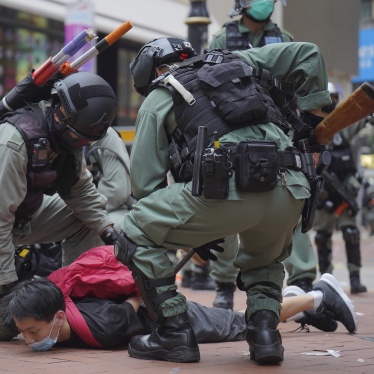
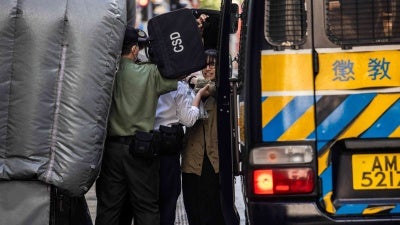
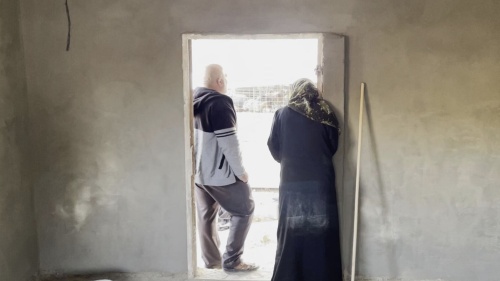
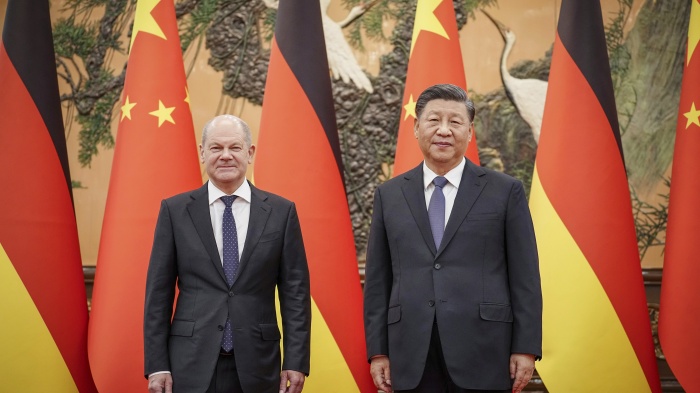
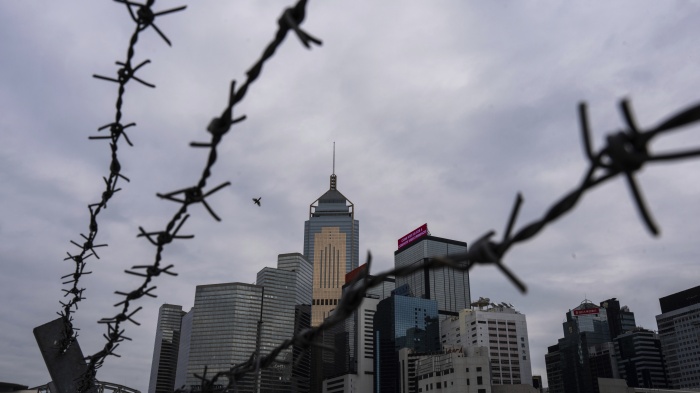
Over 10 years into President Xi Jinping’s rule, the Chinese government has deepened its repression across the country. Authorities have arbitrarily detained human rights defenders, tightened control over civil society, media, and the internet, and deployed invasive mass surveillance technology. The government imposes particularly heavy-handed control in Xinjiang and Tibet. The cultural persecution and arbitrary detention of a million Uyghurs and other Turkic Muslims in Xinjiang since 2017 amount to crimes against humanity. In Hong Kong, the government imposed draconian national security legislation in 2020 and systematically dismantled freedoms of expression, association, and assembly.
The Chinese government continues its efforts to silence critics in other countries. Chinese diplomats act to mute criticism of the government’s human rights record and to weaken UN human rights bodies.
Videos
Videos-
-
November 22, 2023
China: Mosques Shuttered, Razed, Altered in Muslim Areas
Curbing Islam via ‘Consolidation’ Policy in Ningxia, Gansu Provinces
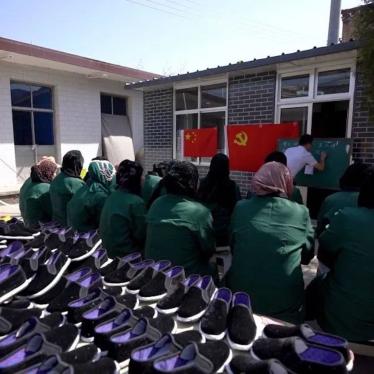
-
May 4, 2023
China: Phone Search Program Tramples Uyghur Rights
Xinjiang Authorities Label Readings from Quran ‘Harmful’
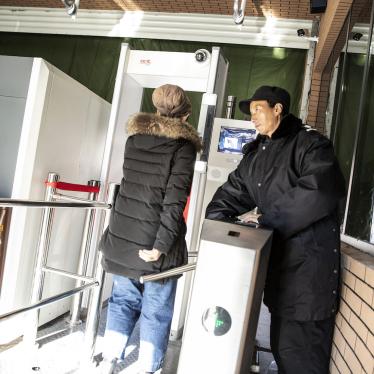
-
September 5, 2022
China: New Evidence of Mass DNA Collection in Tibet
Rural Areas, Children Targeted for Intrusive Policing

News
-
-
-
March 19, 2024
Hong Kong: New Security Law Full-Scale Assault on Rights
Beijing Doubles Down on Suppressing Basic Freedoms
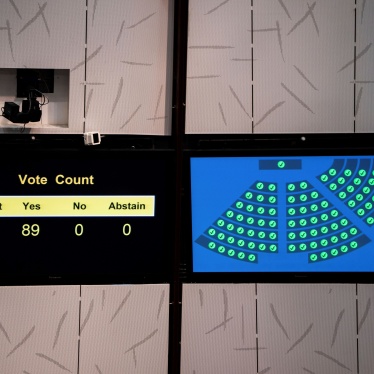
-
March 19, 2024
Japan Lawmakers Seek Probe of Carmaker Links to Xinjiang Abuses
Tokyo Should Enact Human Rights Laws to Counter Beijing’s Repression
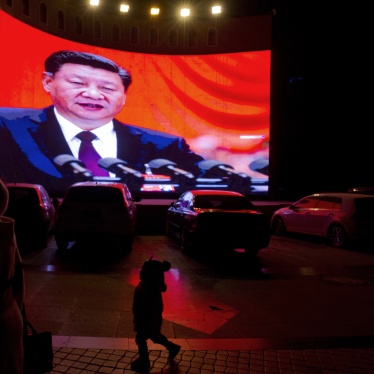
-
March 17, 2024
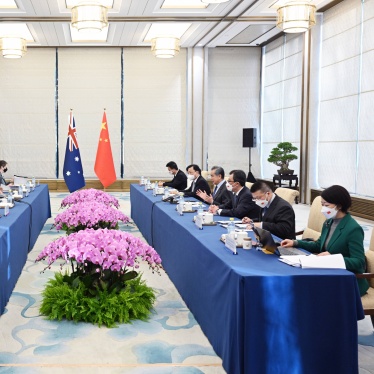
Australia Should Press on Rights When China’s Minister Visits
Urge Action, Not Merely Expressions of Concern
-
March 12, 2024
European Union Should Adopt Forced Labor Law
Import Ban Would Prevent Products Linked to Forced Labor from Entering EU

-
March 12, 2024
Interview: The Car Industry’s Blind Spot in Xinjiang
Uncovering Forced Labor in Aluminum Supply Chains

-
February 29, 2024
Xinjiang Abuses Show Need for Robust EU Forced Labor Law
Challenge of Uncovering Products, Materials Linked to State-Sponsored Forced Labor
-
February 28, 2024
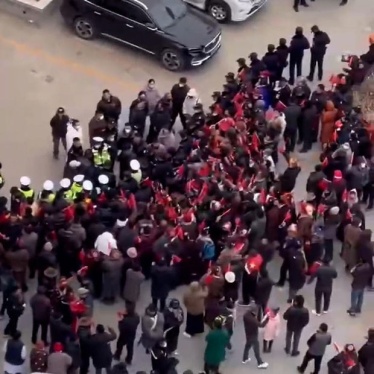
China: Free Detained Tibetan Demonstrators
Hundreds of Monks, Villagers Arrested for Peacefully Protesting Dam Construction
-
February 19, 2024
Hong Kong: Governments Should Oppose Security Bill
86 Groups Urge Rebukes, Sanctions Against Beijing’s Latest Assault on Rights